Looking for more space in Miami without giving up character, greenery, or everyday convenience? If you are a move-up buyer weighing your next neighborhood, North-east Coconut Grove stands out for a reason. It offers a rare mix of bayfront access, walkable streets, varied housing, and a village feel that is hard to replicate elsewhere in Miami-Dade. Let’s look at why this part of the Grove keeps landing on the shortlist for families ready for their next chapter.
Why North-East Coconut Grove Stands Out
North-east Coconut Grove is not defined by one housing style or one master-planned layout. City planning materials describe Coconut Grove through the qualities residents value most, including historic legacy, architectural variety, cultural diversity, natural aesthetic, walkable character, and access to water. That gives you a neighborhood with more texture and personality than many newer areas.
For move-up buyers, that matters. You are often not just buying square footage. You are also buying into a daily lifestyle, a street feel, and a long-term fit for how your household wants to live.
A Neighborhood Shaped by Preservation
Parts of Coconut Grove fall within neighborhood conservation districts created to protect the area's established character. The city notes that these districts help preserve features like low-density residential patterns and strong tree canopy conditions, especially in NCD-3. In practical terms, that helps explain why many blocks feel sheltered, mature, and less uniform.
That preservation mindset can be appealing if you want a setting with identity. Instead of a one-note streetscape, you will find a neighborhood where older architecture, landscaping, and block-by-block variation all play a visible role.
What Homes Feel Like Here
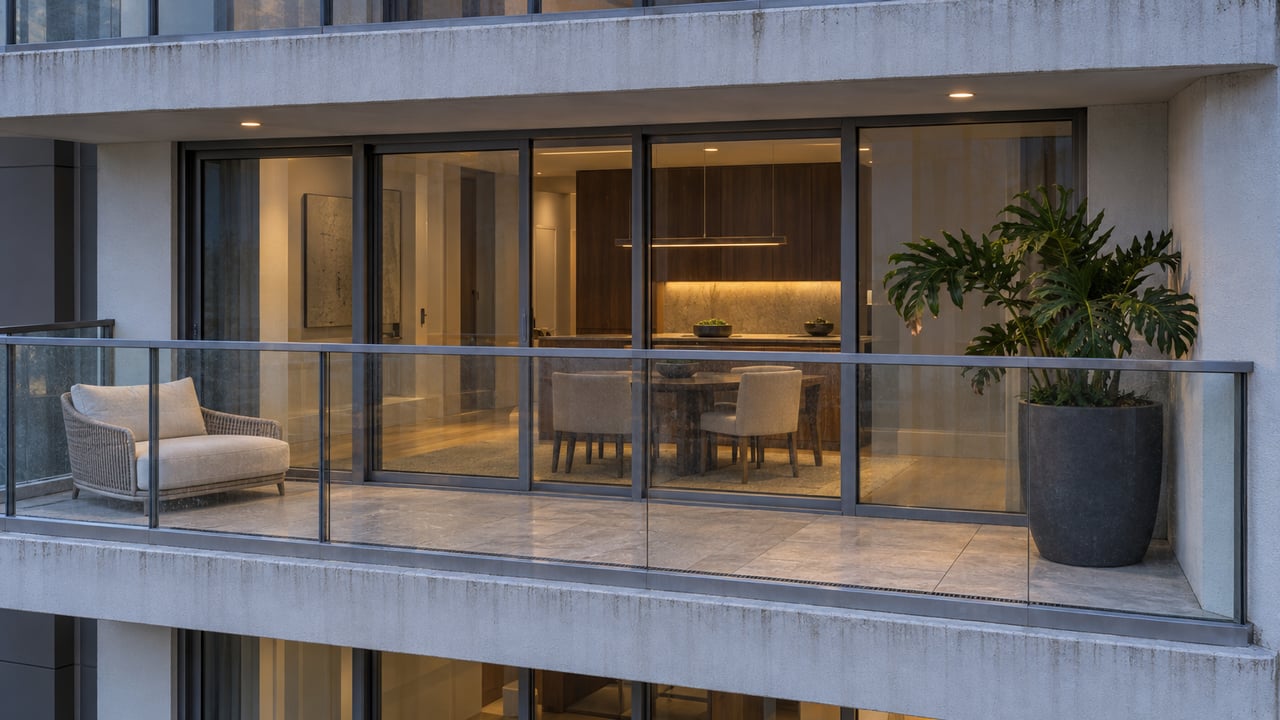
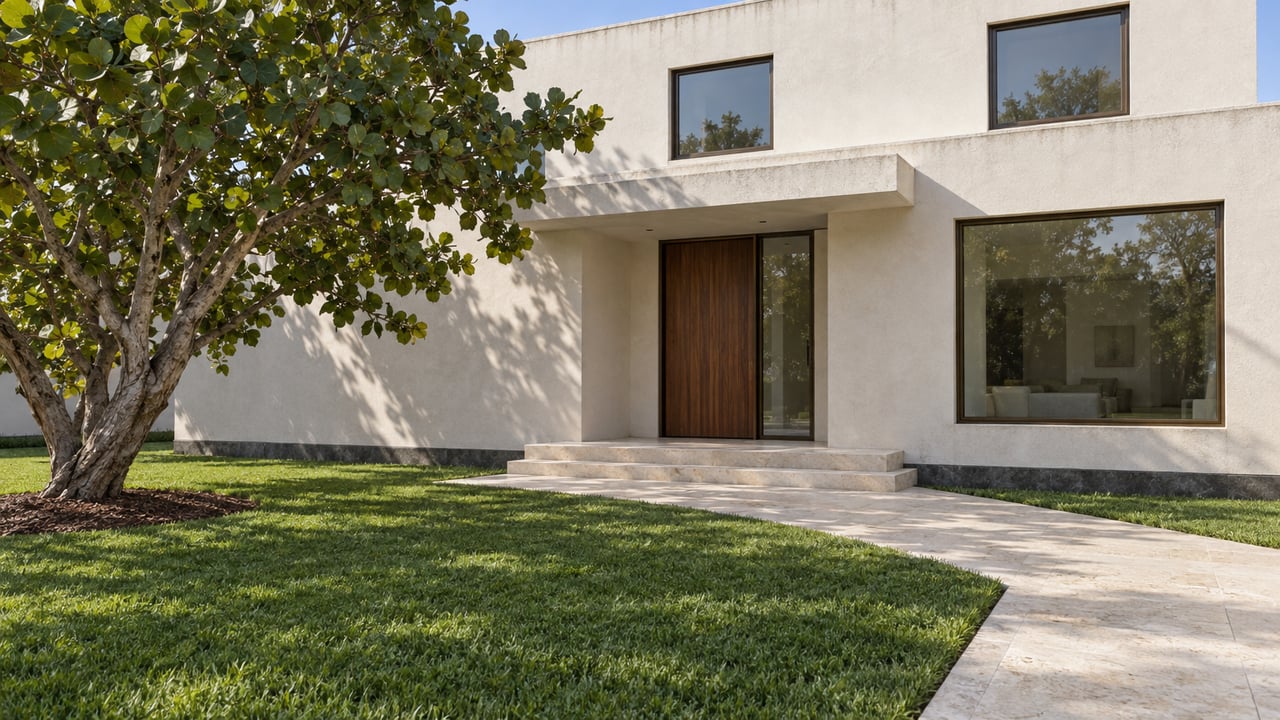
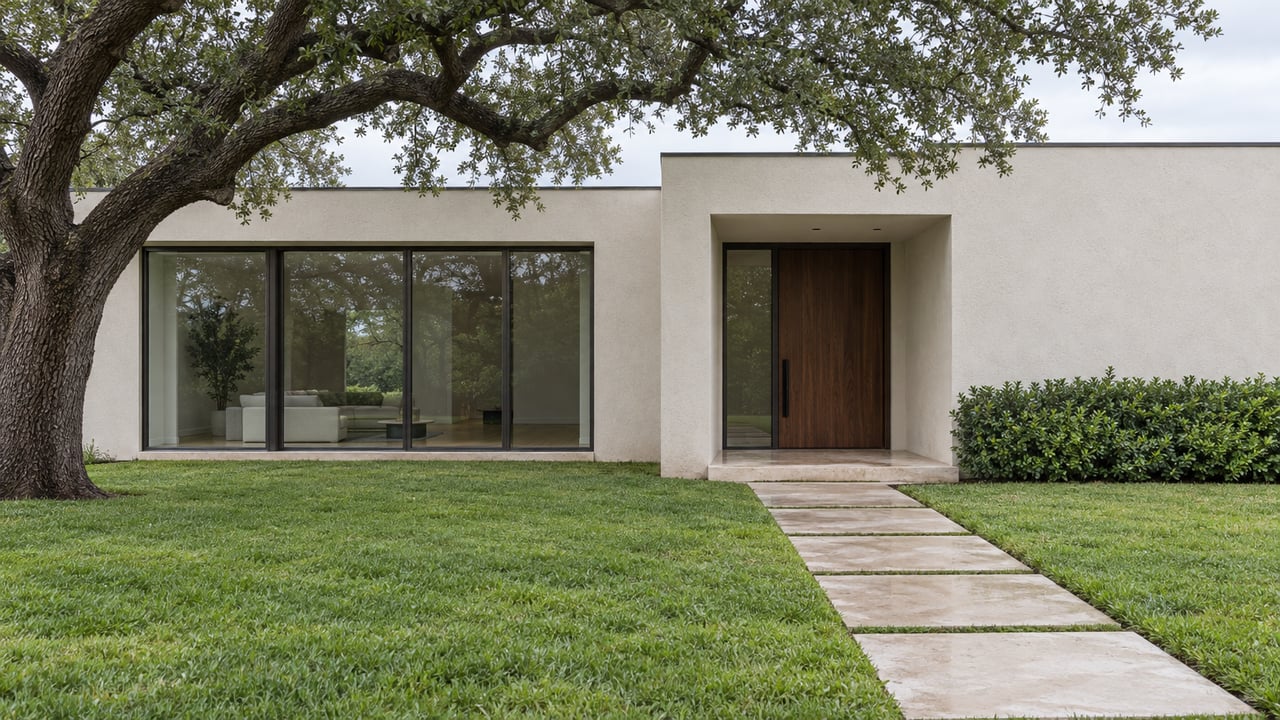
Coconut Grove includes a broad housing mix. Historic housing in the area includes Bahamian or Conch houses in the Charles Avenue area and classic bungalows, and city records also show both condo associations and homeowners associations in the neighborhood. That means your search may include detached homes, condos, and other residential formats depending on your goals.
For a move-up family, this creates options. You may be looking for a larger single-family property, a low-maintenance condo close to the village core, or a home that balances privacy with proximity to parks and daily conveniences.
Expect Variety, Not Sameness
North-east Coconut Grove, including the McFarlane, Grand, and South Bayshore area, is officially described as a mix of residential and retail or entertainment uses with a strong pedestrian orientation. Miami-Dade planning materials also describe the residential street network as a grid with traffic-calming devices. Together, those details help explain the area's comfortable, lived-in feel.
If you are moving up from a denser urban setting, this can feel like a welcome shift. If you are coming from a more suburban neighborhood, the Grove may feel more layered and walkable, with a stronger sense of place around the village core.
Why Outdoor Living Is a Real Advantage
One of Coconut Grove’s biggest strengths is how naturally outdoor time fits into everyday life. This is not a neighborhood where you need to plan a special outing to get green space or water access. The public spaces are already woven into the local rhythm.
That can be especially valuable when your household wants room to move, recharge, and spend time outside without a long drive.
Parks and Bayfront Access
Peacock Park is a 9.4-acre waterfront urban park on Biscayne Bay with direct access to the Intracoastal Waterway. The Barnacle Historic State Park adds another distinct outdoor setting, with large trees, tree-lined paths, and space used for picnics, concerts, and casual visits. These places give the neighborhood a clear bayfront identity.
Armbrister Park supports more everyday recreation with a playground, soccer field, tennis courts, after-school programming, and camp options. Dinner Key Marina adds another dimension, with 587 wet slips, 250 moorings, a park-like setting, and a location within a short walk of Coconut Grove’s retail and entertainment district.
For many move-up buyers, this combination is a major draw. You are not choosing between a residential neighborhood and an active lifestyle. In the Grove, those two things often come together.
Walkability and Daily Convenience
North-east Coconut Grove appeals to buyers who want a neighborhood that feels connected. The mix of residential streets, pedestrian-oriented areas, and nearby retail helps support routines that are not entirely car-dependent. That can make day-to-day life feel simpler and more flexible.
This is especially relevant if your household is balancing school drop-offs, work commutes, errands, and downtime. A neighborhood that supports shorter trips and more walkable patterns can change the feel of your week.
Village Feel With Side Streets
Official planning descriptions point to a strong pedestrian orientation in this section of the Grove. That supports the impression many buyers have when they spend time here: the area feels more like a village with surrounding side streets than a typical suburban grid.
That difference is hard to capture on a property search page alone. It often becomes clear only when you walk the blocks, visit the parks, and see how the residential streets connect to the neighborhood core.
Transit Access Adds Flexibility
Coconut Grove offers comparatively strong transit access for a close-in Miami neighborhood. Miami-Dade County says the Coconut Grove Metrorail Station reopened in 2025 after renovations and is part of the Grove Central transit-oriented community. County materials also show that Metrorail links this station to places including downtown Miami, Brickell, Coral Gables, South Miami, and Dadeland.
The Coconut Grove trolley adds another layer of convenience. It runs Monday through Saturday from 6:30 a.m. to 11:00 p.m. and serves both the Coconut Grove and Douglas Road Metrorail stations, along with stops near parking areas and the village core.
Why That Matters for Families
Even if your household still relies heavily on a car, transit options can make life easier. You may want more flexibility for commuting, outings, or occasional one-car days. In many residential submarkets, that kind of convenience is limited.
In Coconut Grove, the combination of rail and trolley service supports a more connected lifestyle. For some buyers, that becomes a meaningful advantage over neighborhoods where nearly every trip starts and ends in the driveway.
How Coconut Grove Compares Nearby
Move-up buyers often weigh Coconut Grove against Coral Gables, South Miami, and Pinecrest. Each area has a distinct personality, and seeing the differences can help you decide what fits best. The right answer depends on how you want your home life to feel, not just how many bedrooms you want.
Official descriptions show Coral Gables emphasizing Mediterranean architecture, a tree canopy over 41%, and a walkable downtown and retail districts. South Miami emphasizes a compact town center east of US1, a shopping, dining, and entertainment district, and tree-lined streets near the Metrorail station. Pinecrest emphasizes a highly livable residential character, Tree City USA status, more than 50,000 street trees, and a broad parks network.
The Grove's Distinct Position
Taken together, those descriptions suggest Coconut Grove occupies its own lane. It feels more eclectic and waterfront-oriented than Coral Gables, more village-centered and walkable than Pinecrest, and less compact-commercial than South Miami. If you want a neighborhood with both bayfront character and residential depth, that combination is part of the Grove’s appeal.
For many families, that makes Coconut Grove feel like a middle path. You can get a strong neighborhood identity, access to outdoor amenities, and a more flexible daily routine without giving up the sense that you are living in a true residential community.
What Move-Up Buyers Should Focus On
When you search in north-east Coconut Grove, it helps to look beyond list photos and square footage. This is a neighborhood where block, overlay, street activity, and proximity to parks or the village core can shape your experience as much as the home itself. A thoughtful search usually starts with lifestyle priorities.
Here are a few things worth paying attention to:
- How close you want to be to the village core and bayfront amenities
- Whether you prefer a detached home, condo, or another low-maintenance option
- The feel of the specific block, including street pattern and pedestrian activity
- Access to parks, marina areas, and outdoor spaces you expect to use often
- Your commuting pattern and whether Metrorail or trolley access would help
A move-up purchase is often more nuanced than a first home purchase. You already know what has and has not worked in your current home. Coconut Grove tends to reward buyers who take the time to match their next property to the way they actually want to live.
A Smart Approach to Buying in the Grove
Because Coconut Grove has real variation from one pocket to the next, local guidance matters. A polished listing may not tell you how a block feels on a weekday morning, how close you really are to the parks you plan to use, or whether one section better matches your priorities than another. Those are the details that help you buy with confidence.
If you are considering a move-up purchase in Coconut Grove or another close-in Miami neighborhood, the goal is not just to find a bigger home. It is to find the right fit for your routine, your priorities, and your next few years. When that match is right, the value goes well beyond the address.
If you are ready to explore Coconut Grove with a calm, informed strategy, Alive Sherman offers high-touch buyer guidance grounded in deep Miami market knowledge and personalized service.
FAQs
What makes North-east Coconut Grove appealing for move-up Miami families?
- North-east Coconut Grove offers a mix of tree canopy, walkability, bayfront public spaces, varied housing types, and access to parks, marina amenities, and transit.
What types of homes can buyers find in Coconut Grove?
- Coconut Grove includes historic homes such as Bahamian or Conch houses and bungalows, along with condos and properties within homeowners associations.
What outdoor amenities are available in Coconut Grove?
- Buyers will find Peacock Park, The Barnacle Historic State Park, Armbrister Park, and Dinner Key Marina, which together support recreation, waterfront access, and casual outdoor time.
What transit options serve Coconut Grove in Miami-Dade?
- Coconut Grove has Metrorail access through the Coconut Grove Station, plus trolley service Monday through Saturday connecting station stops, parking areas, and the village core.
How does Coconut Grove compare with Coral Gables, Pinecrest, and South Miami?
- Official descriptions suggest Coconut Grove is more waterfront-oriented and eclectic than Coral Gables, more village-centered and walkable than Pinecrest, and less compact-commercial than South Miami.