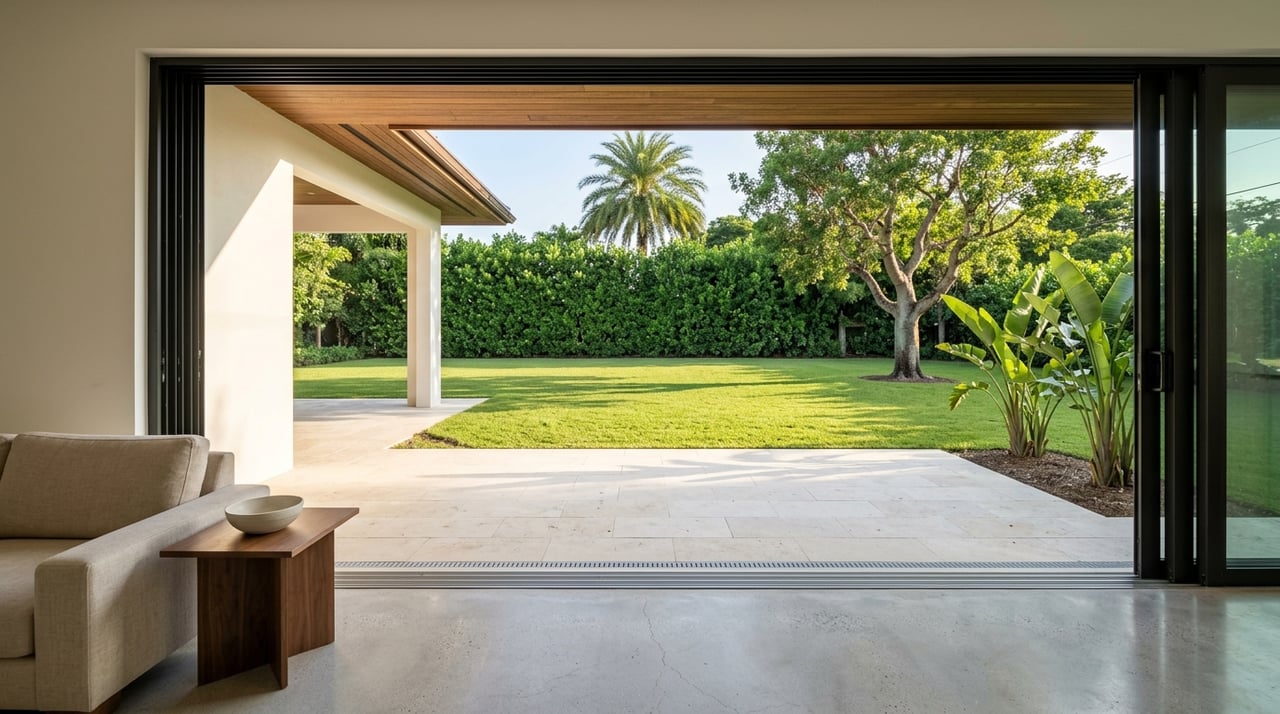
Wondering whether Palmetto Bay is the right place to put down roots? If you are looking for more space, a quieter residential setting, and easy access to parks, it is a smart question to ask before you make a move. The good news is that Palmetto Bay offers a very specific lifestyle, and once you understand how it compares with nearby options like Pinecrest and South Miami, the decision gets much clearer. Let’s dive in.
What Palmetto Bay Feels Like
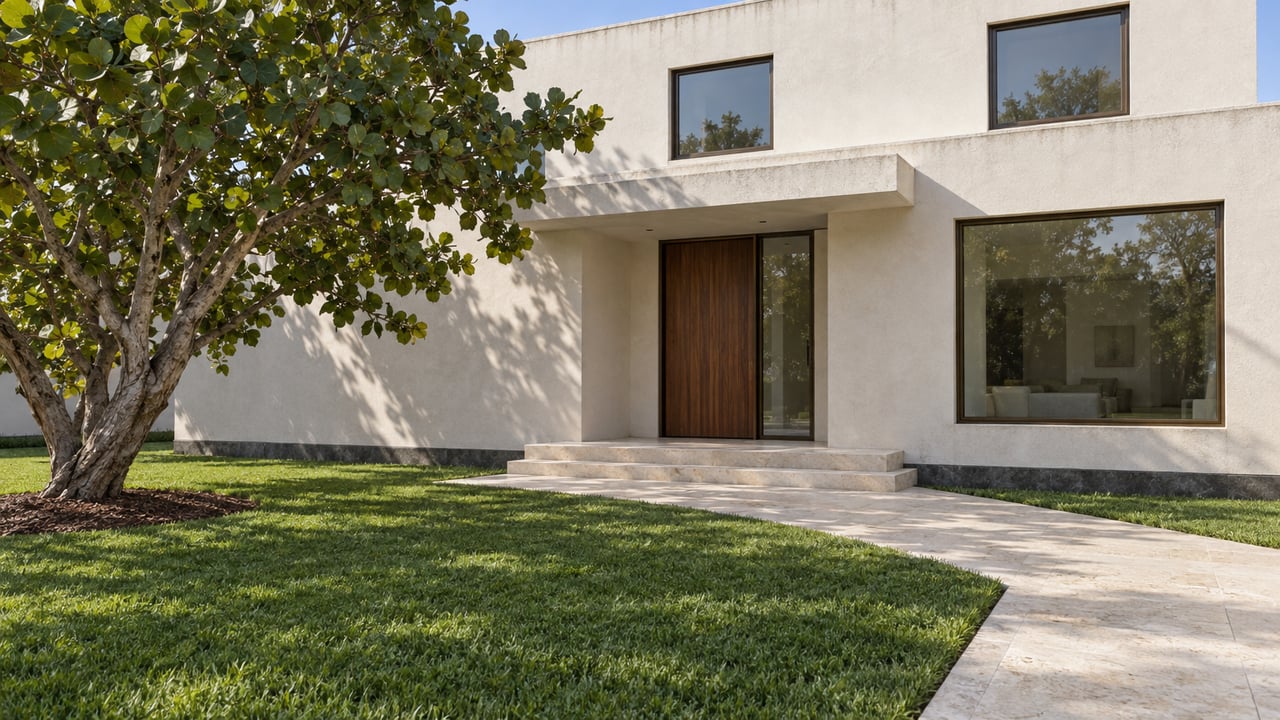
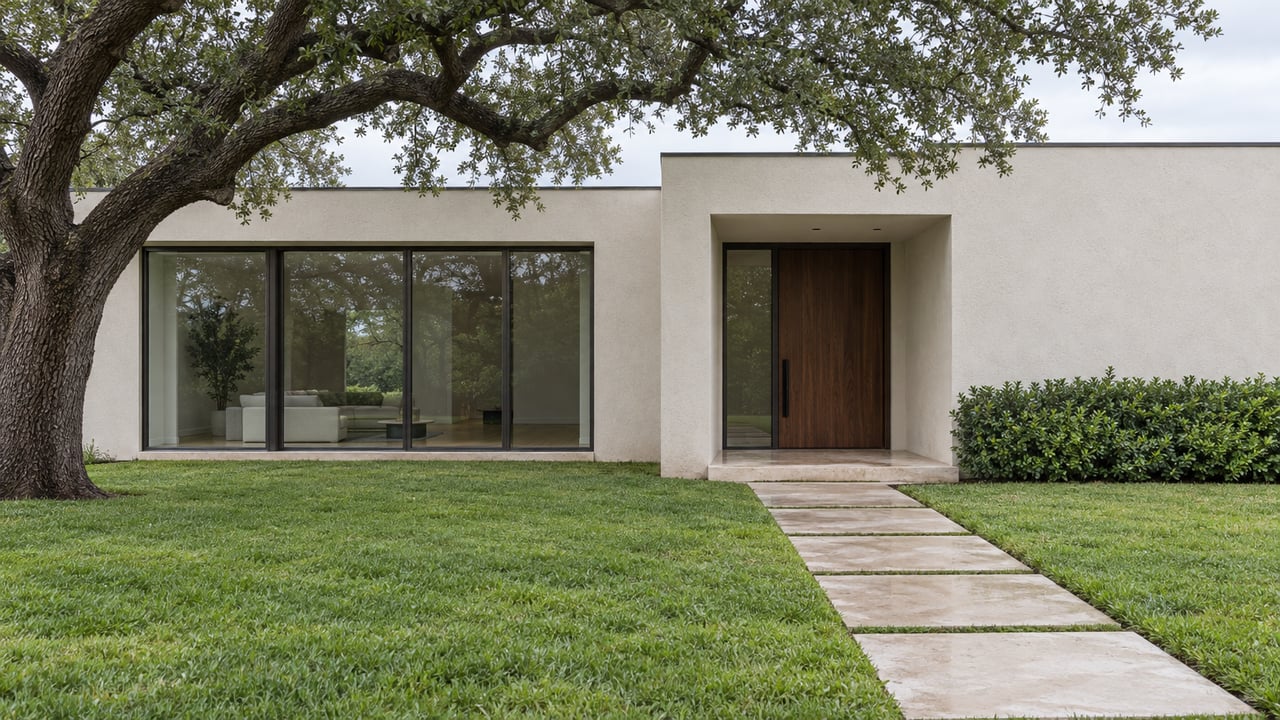
Palmetto Bay feels more suburban than urban, with a housing pattern that leans heavily toward detached homes. Census-based data shows that 84% of housing units are single-unit structures, and the owner-occupied housing rate is 78.2%. That points to a community where single-family living remains the dominant experience.
If you are searching for a yard, more privacy, and a home that feels separated from denser development, Palmetto Bay may check many of your boxes. At the same time, it is not defined only by large estate properties. The housing mix gives you a middle ground between very large-lot living and more compact city-style neighborhoods.
How Home Size and Lot Size Compare
One of the biggest reasons families consider Palmetto Bay is space. In the village’s R-1 district, the minimum lot size is 7,500 net square feet, while the E-M district requires at least 15,000 net square feet. The village also includes an E-1 one-acre estate single-family district.
That matters because Palmetto Bay does not offer just one type of home setting. Some areas are more traditional suburban neighborhoods, while others offer much larger estate-style parcels. For many buyers, that flexibility is part of the appeal.
Palmetto Bay vs. Pinecrest
If you are comparing Palmetto Bay with Pinecrest, the main difference is scale. Pinecrest is more estate-oriented, with residential categories that include one unit per gross acre, one unit per 2.5 gross acres, and other larger-lot formats. Its median owner-occupied home value is also higher at $1,406,400, compared with $879,700 in Palmetto Bay.
In simple terms, Pinecrest tends to push farther into the estate market. Palmetto Bay can still offer larger properties, but it often feels more accessible for buyers who want room without going all the way to Pinecrest’s price and lot-size profile.
Palmetto Bay vs. South Miami
South Miami presents a different tradeoff. Its zoning includes single-family, townhouse, and multifamily districts, and Census Reporter shows only 56% of housing there is single-unit. The owner-occupied rate is also lower at 60.2%.
That means South Miami usually feels more compact and mixed. If you want a broader range of housing types and a more urban edge, South Miami may fit better. If your priority is detached-home living with more outdoor space, Palmetto Bay is likely the stronger match.
Why Parks Matter Here
Palmetto Bay stands out for its strong connection to outdoor living. The village says its Parks and Recreation Department manages seven recreational facilities, giving residents a broad mix of public spaces to use throughout the year. For many families, that adds real day-to-day value beyond the home itself.
Coral Reef Park is one of the clearest examples. The park spans more than 50 acres and includes green space, pinelands, athletic fields, tennis, pickleball, playgrounds, and walking paths. If your ideal weekend includes time outside instead of time in the car, that kind of amenity can shape your decision in a big way.
Bayfront Access Adds Something Unique
Palmetto Bay also has a feature that is hard to ignore in this part of Miami-Dade. Thalatta Estate Park offers direct access to Biscayne Bay and connects to the Old Cutler Bicycle Trail. That gives the village a bayfront dimension that helps it feel more distinctive than a typical suburban community.
For buyers who value scenery, fresh air, and outdoor movement, that matters. You are not just buying a house. You are choosing what your daily environment feels like.
What Daily Life May Look Like
Palmetto Bay is a good fit if you picture your next move as a lifestyle upgrade built around space and routine. You may have more room for a backyard, more separation from neighbors, and easier access to parks and recreational space. For many families, that can support a calmer day-to-day rhythm.
This does not mean every buyer will feel it is the perfect fit. If your household wants a more active town center, quick access to shopping and dining in a compact setting, or a stronger mix of condos and townhomes, the village may feel less aligned with your priorities.
The Commute Tradeoff to Consider
Space often comes with compromise, and in Palmetto Bay, commute time is one of the biggest ones. The mean travel time to work is 35.3 minutes, compared with 27.0 minutes in Pinecrest and 30.9 minutes in South Miami. That does not make Palmetto Bay a poor choice, but it does mean you should weigh location against your weekly routine.
If you commute regularly, the difference may be noticeable over time. For some households, more room at home is worth it. For others, a shorter drive wins.
Transit and Mobility Options
Palmetto Bay does offer some local transportation support. The village provides the free I-Bus circulator to Dadeland South Metrorail Station on weekdays, and it also offers Freebee on-demand rides. Those services may help with daily logistics, especially for households trying to reduce the number of car trips.
Still, Palmetto Bay is not the most transit-oriented choice in this comparison. South Miami has a stronger mixed-mobility profile, shaped in part by its location along U.S. 1 and its more compact development pattern.
Who Palmetto Bay Fits Best
Palmetto Bay tends to make the most sense for buyers who want:
- A detached home environment
- More room indoors and outdoors
- Access to parks and open space
- A suburban feel within Miami-Dade
- A middle ground between compact South Miami and estate-heavy Pinecrest
If that sounds like your wish list, Palmetto Bay deserves a close look. It offers a lifestyle that many move-up buyers want, especially when space starts to matter more than pure convenience.
When Another Area May Fit Better
Palmetto Bay is not the right answer for every family. Depending on your priorities, another nearby area may line up better.
You may prefer South Miami if you want:
- A more compact setting
- More housing variety
- A town-center feel
- Better alignment with mixed transportation options
You may prefer Pinecrest if you want:
- A more estate-oriented setting
- Larger lot patterns overall
- A higher-end residential profile
- A shorter average commute than Palmetto Bay
The Bottom Line on Palmetto Bay
Palmetto Bay is often the right next step when you are ready for more space but do not necessarily want the full estate scale of Pinecrest. It offers a strong single-family housing profile, meaningful park access, and a lifestyle centered on outdoor living and residential comfort. For many buyers, that combination feels like a natural upgrade.
The key is to match the area to how you actually live. If your top priorities are yard space, parks, bayfront access, and a more suburban pace, Palmetto Bay may feel like a very smart move. If commute time, walkability, or a broader mix of housing types matter more, it is worth comparing it carefully with South Miami and Pinecrest.
If you are weighing Palmetto Bay against other Miami neighborhoods, Alive Sherman can help you compare the tradeoffs clearly and find the right fit for your next move.
FAQs
Is Palmetto Bay mostly single-family homes?
- Yes. Census-based data shows 84% of housing units in Palmetto Bay are single-unit structures, which supports its detached-home, suburban character.
Does Palmetto Bay offer larger lots?
- Yes. Palmetto Bay includes multiple residential districts, with minimum lot sizes ranging from 7,500 net square feet in R-1 to 15,000 net square feet in E-M, plus a one-acre estate district.
How does Palmetto Bay compare with Pinecrest?
- Palmetto Bay generally offers more room than compact nearby areas, but Pinecrest is more estate-oriented overall and has a higher median owner-occupied home value.
How does Palmetto Bay compare with South Miami?
- Palmetto Bay is more focused on detached-home living and outdoor space, while South Miami has a more compact and mixed housing pattern with a stronger urban-edge feel.
What parks and outdoor features does Palmetto Bay have?
- The village manages seven recreational facilities, including Coral Reef Park, which spans more than 50 acres, and Thalatta Estate Park, which offers Biscayne Bay access and trail connections.
Is Palmetto Bay a good choice if commute time matters?
- It depends on your priorities. Palmetto Bay’s mean travel time to work is 35.3 minutes, which is longer than Pinecrest and South Miami, so commute convenience may be a tradeoff for more space.