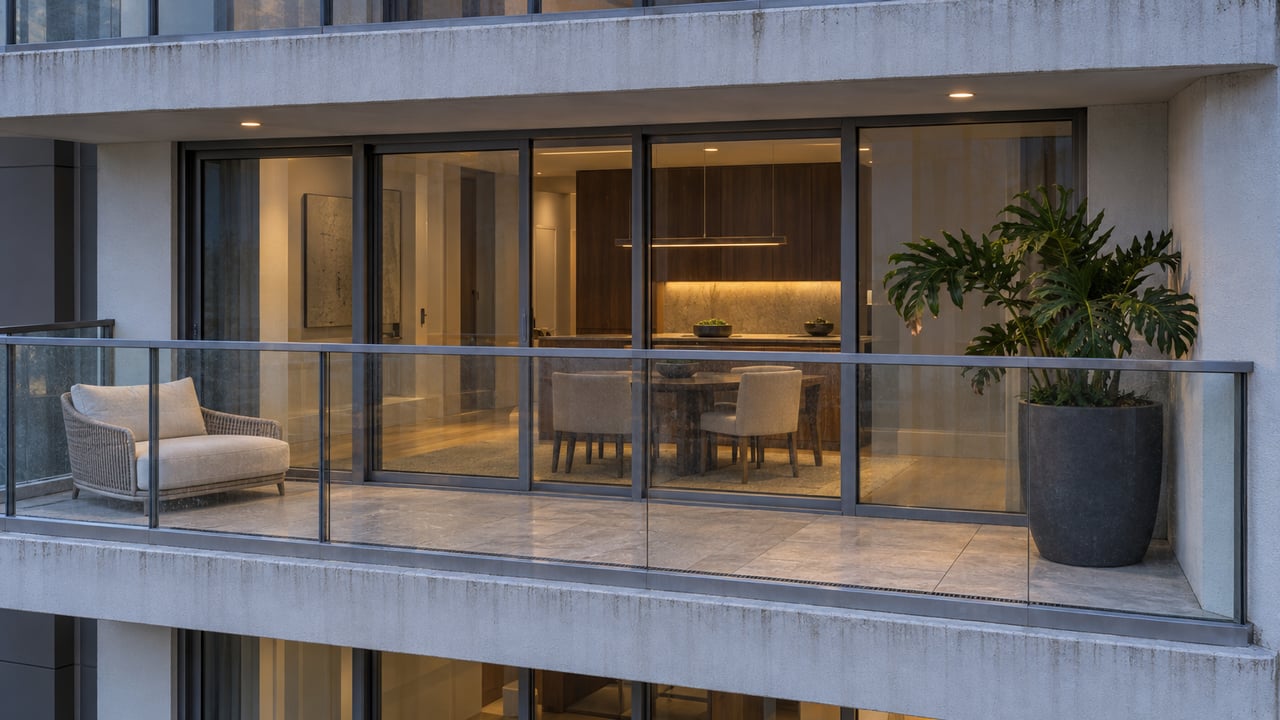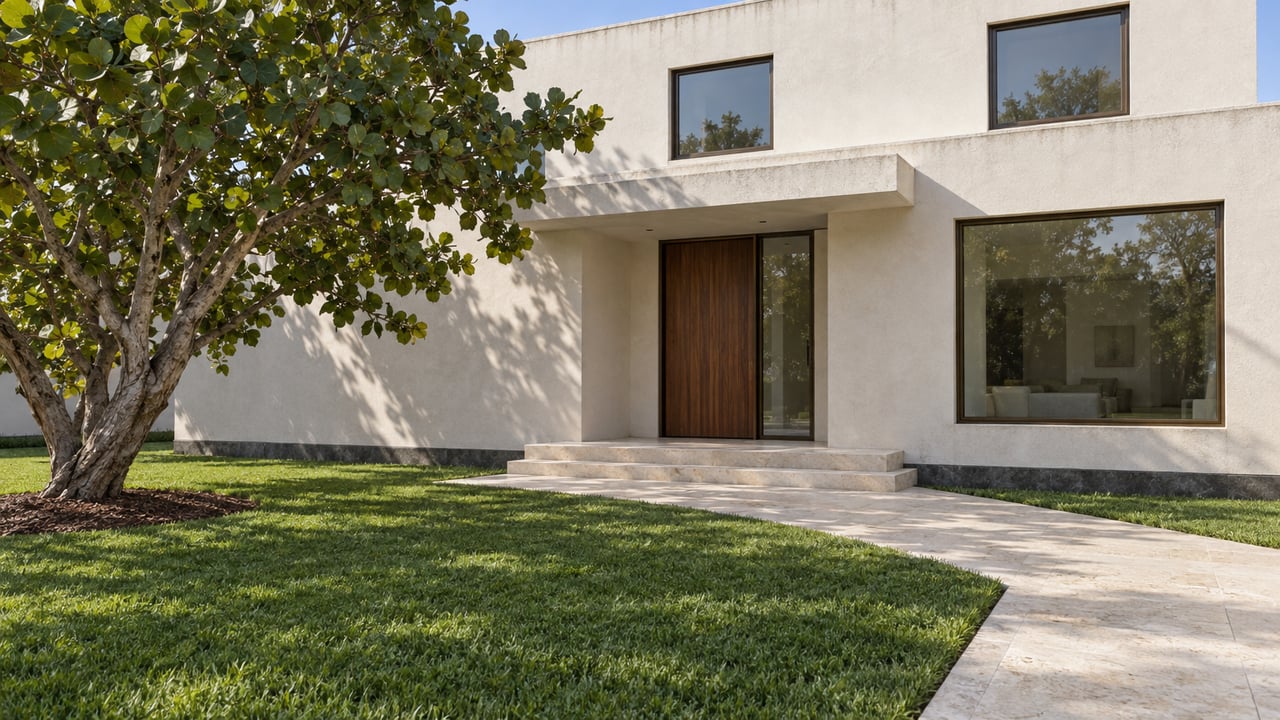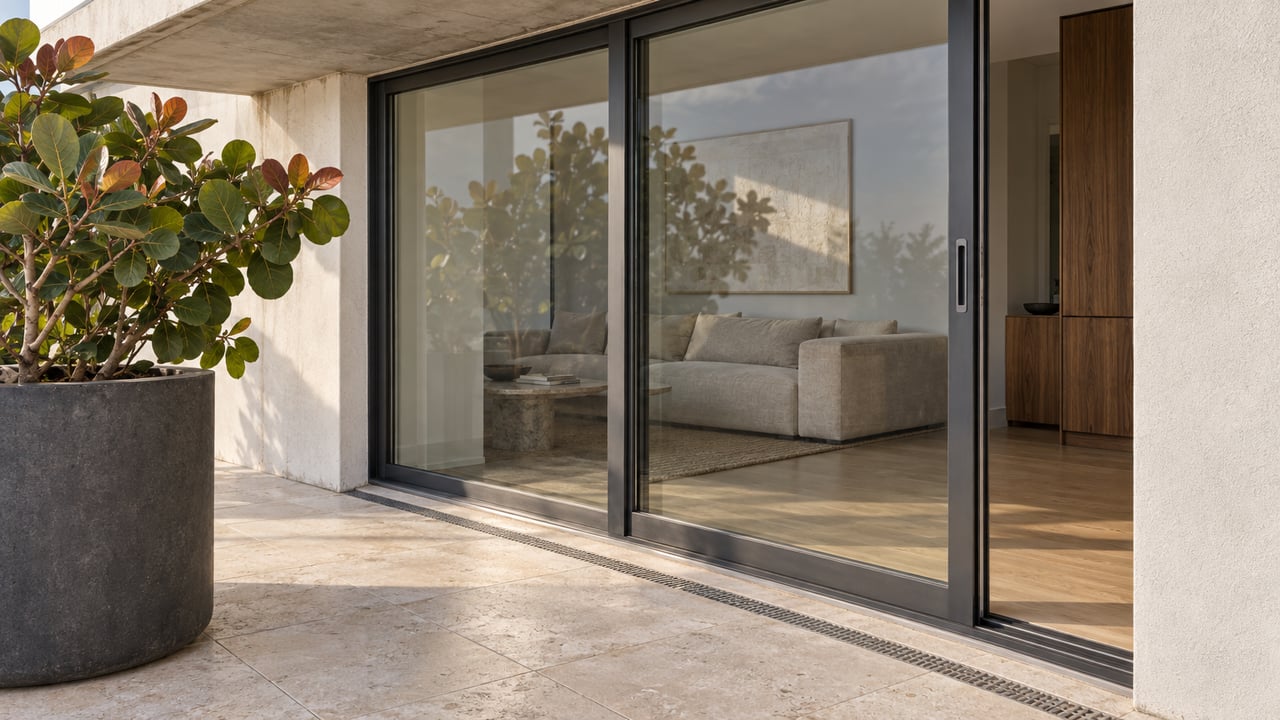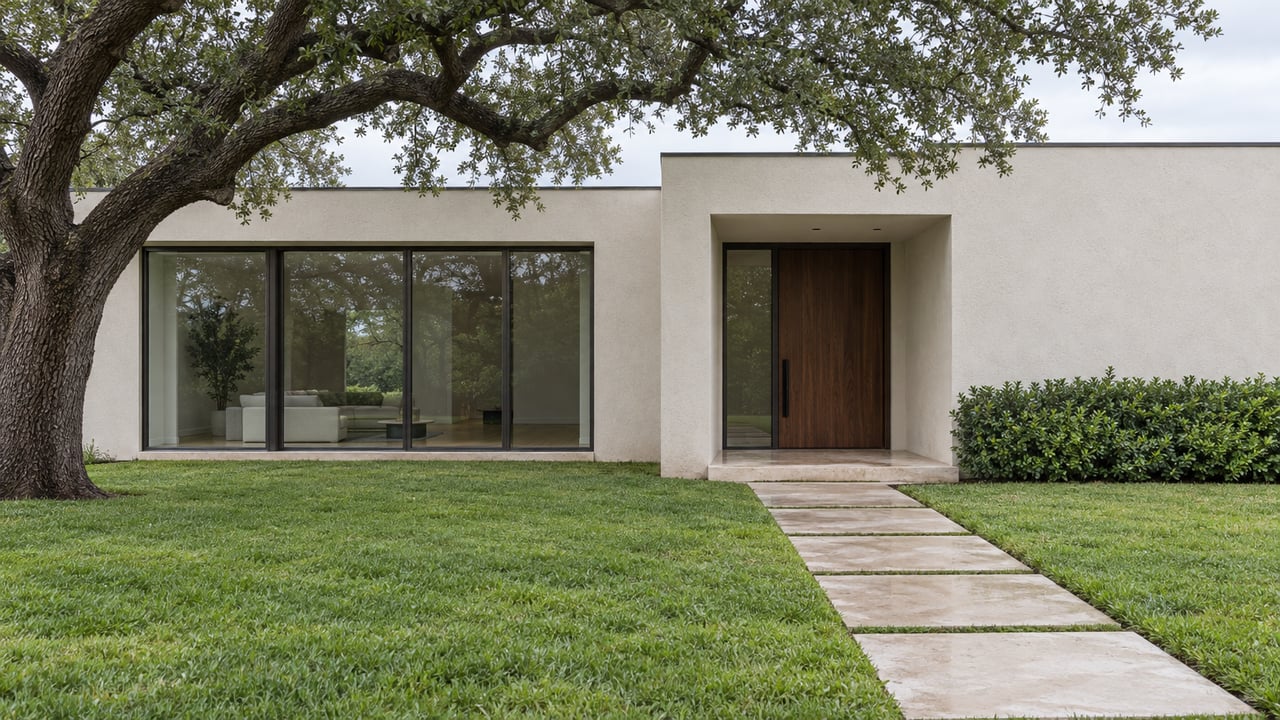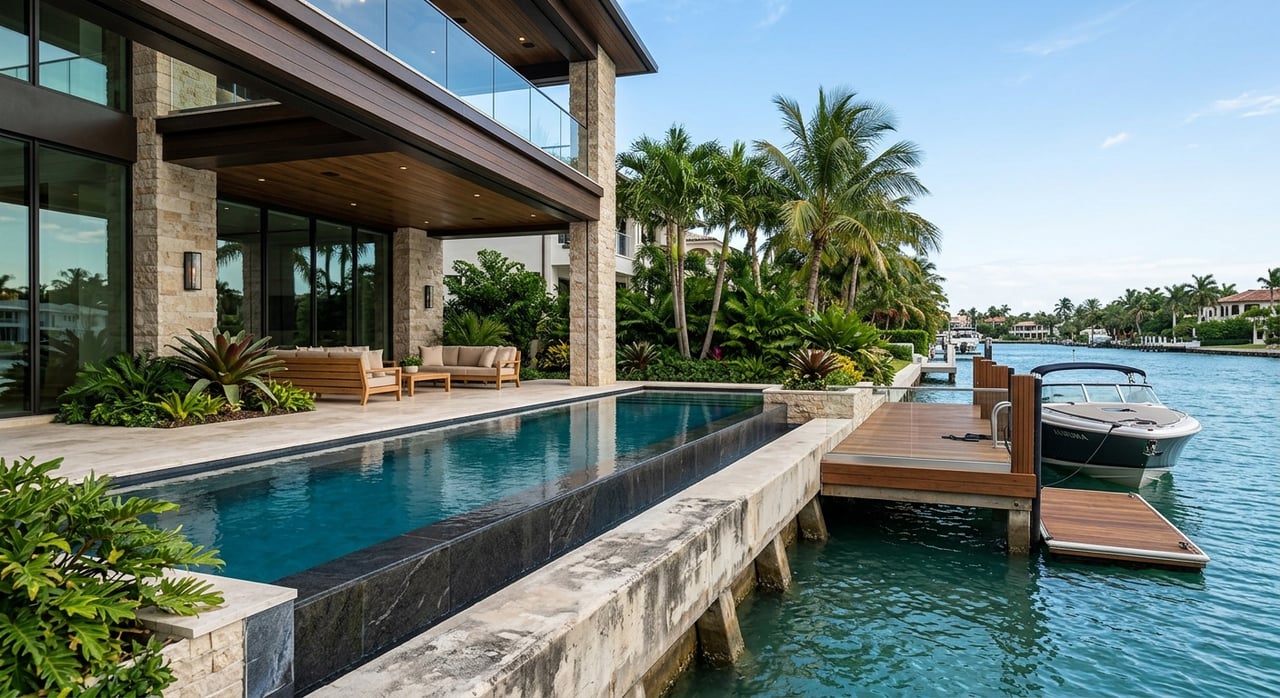
If you are looking at Gables Estates, you are not shopping a typical luxury neighborhood. You are stepping into one of Coral Gables’ most private waterfront enclaves, where lot size, canal access, approvals, and timing can matter just as much as the home itself. Whether you are thinking about buying, selling, renovating, or rebuilding, understanding how this market really works can help you make smarter decisions. Let’s dive in.
Why Gables Estates Stands Apart
Gables Estates is a private waterfront community in Coral Gables that was developed in the early 1960s by Arthur Vining Davis. According to the community club, it includes 192 lots across more than 200 acres of shoreline. It is known for wide, deep-water, sea-walled canals and a strong emphasis on privacy.
That privacy is not just part of the image. The club states that membership is required before purchase, and the fee includes 24-hour security. For many buyers, that added layer of control and discretion is a major part of the appeal.
The setting also matters. Gables Estates sits within Coral Gables, a city shaped by City Beautiful and Garden City planning traditions, with more than 1,000 properties on the Coral Gables Register of Historic Places. In practical terms, that means you are buying into a place where design standards and visual consistency carry real weight.
What Buyers Are Really Purchasing
In many neighborhoods, buyers focus first on the house. In Gables Estates, the conversation often starts with the land, the water, and the rules. That is because two properties on the same street can have very different value depending on lot geometry, frontage, dock potential, privacy, and the ease of improving the site.
Current listing snapshots show just how different these properties can be. Active homes have been marketed on lots of roughly 0.8, 0.95, 1.03, 2.18, and 2.5 acres. Waterfront examples have included approximately 152 feet of frontage, 335 feet of waterfront, and more than 500 feet of waterfront.
That is why headline averages only tell part of the story. In this enclave, one trophy property can trade at a very different level from another because the underlying land characteristics are not interchangeable.
Gables Estates Market Snapshot
This is a thin market, and that is important to understand. Available portal snapshots have shown only a handful of active waterfront homes for sale at any given time. One recent snapshot showed 6 waterfront homes for sale, with a median listing price of $28.23 million, 418 days on market, and 2 homes sold in the past month.
Another recent data point showed a median sale price of $25.23 million over a three-month period ending in November 2025. With inventory this limited, one or two major sales can move the numbers quickly. That makes trend reading more nuanced than it would be in a neighborhood with steady volume.
Recent sold properties help illustrate the range. Reported closings have included $55 million, $50 million, $26.2 million, $24.3 million, and $23.5 million sales. Those numbers reinforce a simple point: Gables Estates is a trophy market where micro-location and asset quality matter more than a single neighborhood average.
How It Compares With Coral Gables
Gables Estates is part of Coral Gables, but it operates in a very different pricing tier. Coral Gables’ single-family market closed 2025 with an annual average sale price of $3.565 million. The Q4 2025 median sale price for Coral Gables single-family homes was $1.915 million, with 89 days on market and 171 active listings.
Even Coral Gables luxury, by local standards, sits below Gables Estates. In the Q3 2025 luxury single-family segment, the median sales price was $9.8 million and the average sales price was $15.44 million. That is already a high bar, yet Gables Estates often trades several tiers above it.
At the county level, Miami-Dade’s 2025 luxury threshold rose to $3.4 million, and Coral Gables recorded 22 sales of $10 million or more. Within that context, Gables Estates stands out as ultra-luxury waterfront, not simply upper-end Coral Gables.
What Drives Value Here
Several factors shape value in Gables Estates more than they do in many other neighborhoods. The biggest ones are water frontage, lot size, privacy, dockability, architectural pedigree, and redevelopment potential within the community rules. Buyers are often evaluating all of these at once.
A larger lot is important, but shape and usability matter too. A property with strong frontage, better water exposure, or a more efficient site plan can command a premium over another home with similar square footage. In this market, the site itself can be the most valuable part of the asset.
Architecture also carries weight. The neighborhood includes a curated mix of styles, and current examples in the market have included modern tropical, Dutch and Island-inspired, Tuscan-inspired, and Mediterranean modern homes. In Coral Gables, aesthetics are not an afterthought, so design quality can directly affect both appeal and long-term value.
Why Renovation Timelines Can Stretch
One of the biggest misunderstandings buyers have is assuming that closing is the finish line. In Gables Estates, it is often the beginning of a longer process if you plan to renovate, expand, or rebuild. The approval structure is layered, and that affects timelines.
The current community guidelines say the HOA requires approval for exterior paint and major renovations. Construction hours are limited, and special permits for weekend or extended-hour work require neighbor consent and Board of Governors approval before the city permit request. That can add time and coordination before work even starts.
The Architectural Review Board also reviews preliminary and final submissions. The checklist goes well beyond floor plans and includes items like docks, davits, pools, tennis courts, fountains, grading, storm water containment, fences, roof forms, materials, colors, equipment screening, and landscape plans. The guidelines also reference setbacks of roughly 50 feet at the front and rear and 30 feet at the sides.
On top of that, Coral Gables’ Board of Architects separately reviews design consistency, and a typical permit process involves preliminary and final approval before issuance. Dock and davit work also requires Miami-Dade approval. For buyers planning major changes, this is a key part of due diligence.
What Buyers Should Know Before Making an Offer
In Gables Estates, buying well means looking beyond finishes and staging. You will want a clear understanding of the lot, waterfront conditions, frontage, dock feasibility, and the likely path for any future improvements. A beautiful house can still be the wrong fit if its site limits your long-term plans.
It also helps to be realistic about timing. Because this is a narrow, high-value market, inventory can be scarce and negotiations can be highly specific to the property. The right opportunity may not look like the most obvious comp on paper.
For many buyers, the smartest approach is to ask questions such as:
- How much of the value is in the land versus the structure?
- What approvals would be needed for remodeling or rebuilding?
- Are docks, pools, or additions likely to be feasible?
- How does this lot compare with others in frontage, shape, and privacy?
- What might extend the timeline after closing?
What Sellers Need to Get Right
If you are selling in Gables Estates, broad market averages will only take you so far. Buyers at this level are usually comparing frontage, orientation, privacy, lot size, dockability, architecture, and condition in a very detailed way. That means pricing and positioning need to be disciplined.
Presentation matters, but so does the story behind the property. A seller who can clearly show the value of the lot, the water access, the design pedigree, and the improvement potential is in a stronger position than one who relies on square footage alone. In a market with a narrow buyer pool, strategy matters more than volume.
Patience can matter too. One recent market snapshot showed more than a year of average time on market for available waterfront inventory. That does not mean demand is weak. It means buyers at this level tend to move carefully, and each property is judged on its own merits.
Why Specialized Guidance Matters
Gables Estates is not a plug-and-play market. The combination of limited inventory, club membership requirements, architectural review, city review, and waterfront variables creates more friction than a standard single-family transaction. That is true whether you are buying a finished estate or a property you plan to transform.
For buyers, that often means needing hands-on guidance through valuation, negotiation, and the practical questions that come after closing. For sellers, it means marketing with precision, protecting the property’s positioning, and reaching qualified buyers who understand what makes this enclave different.
Alive Sherman brings a Coral Gables-based perspective to this process, along with a high-touch, relationship-led approach to buyer and seller representation. With years of Miami market experience and a polished luxury platform through ONE Sotheby’s International Realty, she helps clients navigate nuanced neighborhoods with clarity and calm.
If you are considering a purchase or sale in this rare waterfront enclave, connect with Alive Sherman for thoughtful, personalized guidance.
FAQs
What makes Gables Estates different from other Coral Gables luxury neighborhoods?
- Gables Estates is a private waterfront enclave with 192 lots, deep-water canals, required club membership before purchase, and layered architectural and permitting controls that make it distinct from the broader Coral Gables luxury market.
How expensive is the Gables Estates real estate market?
- Recent market snapshots have shown median listing prices around $28.23 million and median sale prices around $25.23 million, with recent reported closings ranging from about $23.5 million to $55 million.
Why do Gables Estates homes on the same street sell for different prices?
- Prices can vary significantly because value is heavily shaped by lot size, lot geometry, waterfront exposure, frontage, privacy, dockability, and the quality or redevelopment potential of the existing home.
Can you remodel or rebuild a home in Gables Estates?
- Yes, but changes typically require multiple layers of review, including community architectural review, HOA rules, Coral Gables design review, and in some cases Miami-Dade approval for waterfront-related improvements such as docks and davits.
How long does it take to buy or improve a home in Gables Estates?
- Sales and post-closing improvement timelines can run longer than in a typical single-family neighborhood because inventory is limited and approvals for renovation, additions, or rebuilds can add meaningful time.
What should buyers evaluate first in Gables Estates?
- Buyers should closely assess the land, water frontage, privacy, dock potential, site layout, and likely approval path for future improvements, since those factors often matter as much as the house itself.
What should sellers emphasize when listing a Gables Estates property?
- Sellers should focus on the property’s specific value drivers, such as waterfront footage, lot dimensions, privacy, architectural quality, and improvement potential, rather than relying only on general neighborhood averages.