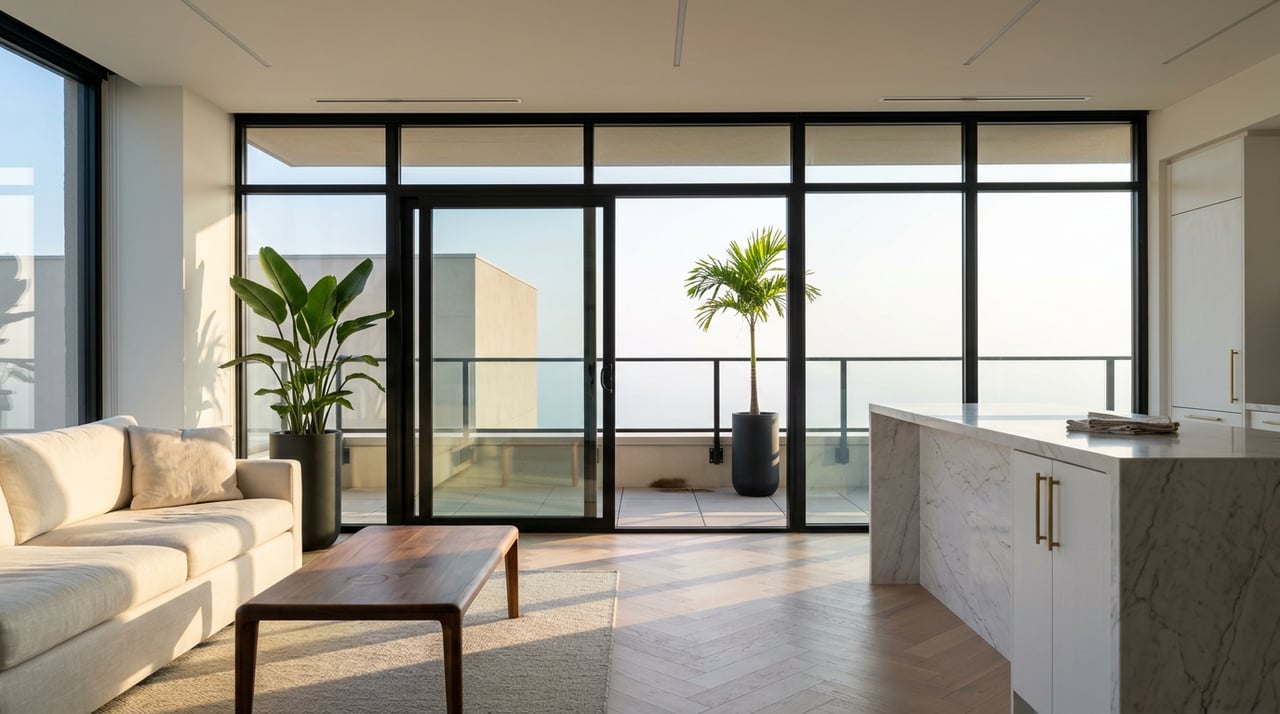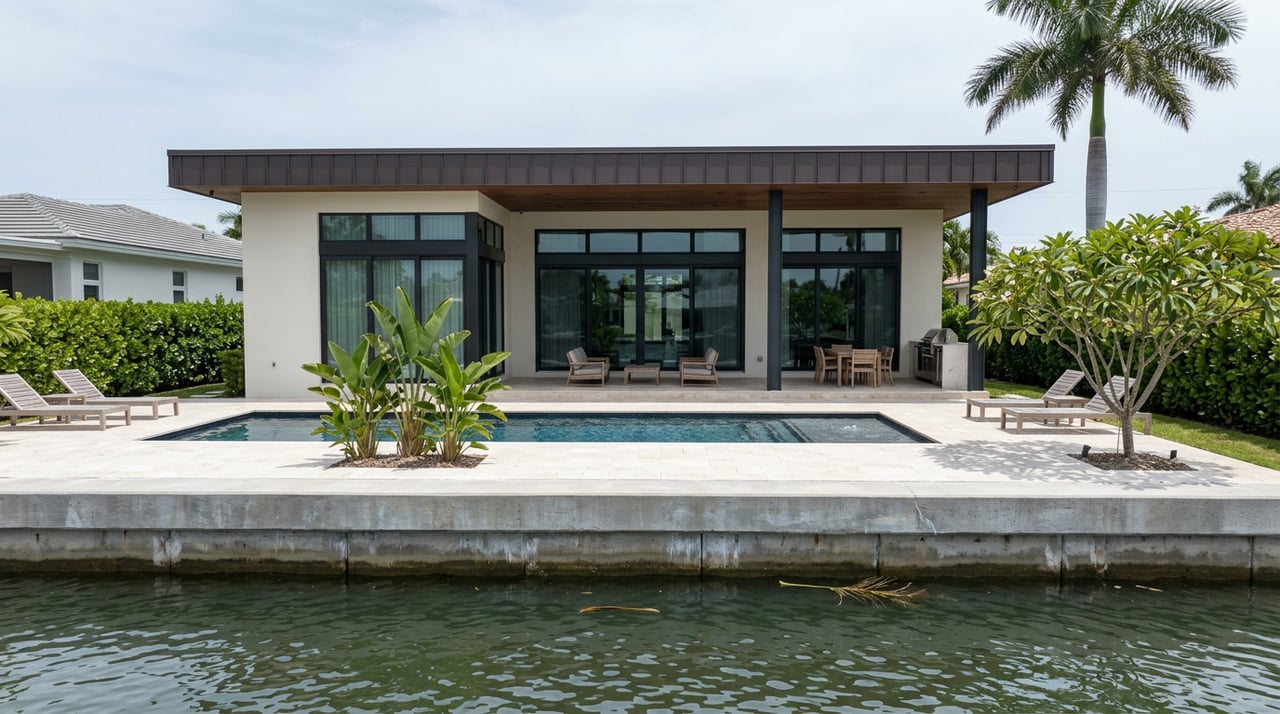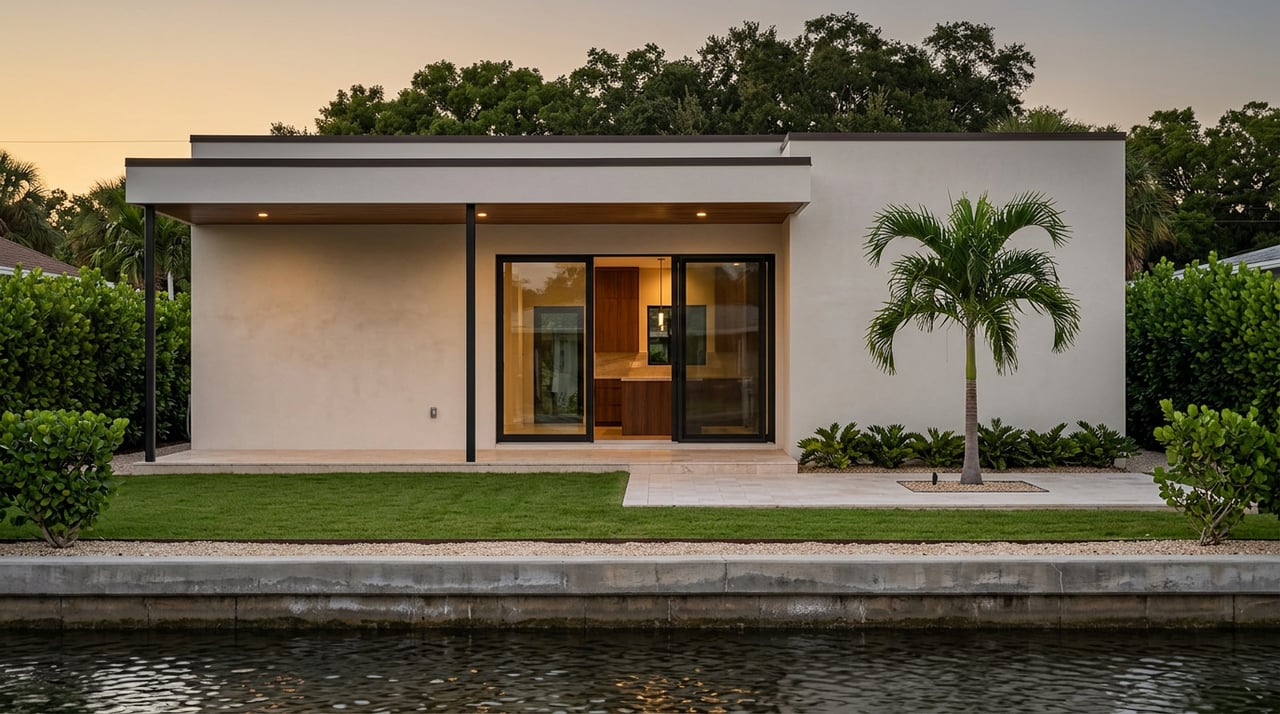
On May 29, 2026, a waterfront estate at 555 Arvida Parkway closed for $26.2 million. The home had been marketed on and off since the spring of 2025, first near $29.5 million, then relisted closer to $29 million before settling at its final price. Michael and Jaimee Light of The Light Group at Douglas Elliman represented the buyers. The property came with something most Miami luxury listings can't offer: access to the private Leucadendra tennis courts, a benefit shared by only 24 homes in the entire community.
That's the kind of detail a buyer researches before making an offer. What most buyers don't research, until it's already slowing them down, is that the actual transaction started long before financing or inspection contingencies came into play. In Gables Estates, the property closing is often the second approval a buyer has to clear. The first one comes from a private club that has nothing to do with the MLS.
The Membership That Comes Before the Mortgage
Gables Estates sits off Old Cutler Road on 192 lots, developed in the early 1960s by industrialist Arthur Vining Davis around wide, sea-walled canals that lead out to Biscayne Bay. It's guard-gated, and it functions less like a typical HOA and more like an admissions committee. Membership in Gables Estates Club, Inc. is a prerequisite to purchasing property there, and the club's own rules describe a process closer to a co-op board than a standard closing.
An applicant needs two sponsors who are voting members of the club in good standing, banking references, and original letters of recommendation. Applications are returned by appointment only to the Club Administrator, and public descriptions of the fee attached to that application vary considerably. One source puts the non-refundable deposit at $75,000. Several others describe a $100,000 fee for U.S. residents and $105,000 for foreign nationals. At least one puts the starting figure at $150,000. That spread isn't a rounding error. It reflects the fact that there's no single public fee schedule a buyer can rely on secondhand. Anyone serious about a purchase here should confirm the current number directly with the Club Administrator before structuring an offer, not after.
The membership requirement also extends further than most buyers expect. Under the club's rules, any person residing in a Gables Estates home, owner or tenant, must be a member or an approved occupant. A buyer who plans to lease the home out later still has to route that tenant through the same approval process. This isn't a formality layered on top of ownership. It's baked into how the community controls who lives there at all.
What the "Median Price" Doesn't Tell You
Anyone who has looked up Gables Estates online has probably seen a median price figure, and probably a different one depending on which site they checked. As of May 2026, one portal reported a trailing 12-month median sale price of $12.325 million, up 16% from the prior 12 months, with an average sale price of $16.46 million and homes spending an average of 141 days on market against a 58-day national average. At the same time, that portal listed 17 active homes ranging from $8.399 million to $175 million.
A different source, checked around the same time and looking only at waterfront listings, found just four homes on the market with a median listing price of $28.9 million, and reported an average of 319 days on market rather than 141. One automated market dashboard even published a "median" of $50 million for December 2026, a month that hadn't happened yet at the time it was cited. That's less a data point than a signal of how these tools behave when there isn't enough real activity to model.
None of these numbers are wrong exactly. They're measuring different slices of an extremely small pool. With 192 lots and only a handful of closings in a given year, the "median" moves depending on whether the sample includes waterfront-only homes, active listings versus closed sales, or a single outlier transaction. A more stable way to read this market is price per square foot. As of the first quarter of 2026, ultra-prime waterfront properties in Gables Estates were trading between roughly $1,300 and over $3,000 per square foot, compared to a citywide Coral Gables single-family average of about $900 to $950 per square foot in the same period, and $1,100 to $1,300 per square foot for non-waterfront new construction. Even that range is wide, because dock length, canal depth, and lot size vary so much from one property to the next.
The 555 Arvida Parkway sale is a useful anchor precisely because it's one of the few data points anyone can point to with confidence. A home that spent over a year moving from a $29.5 million ask down to a $26.2 million close tells a buyer more about how negotiation actually works in this enclave than any headline median will.
Three Approvals for One Dock
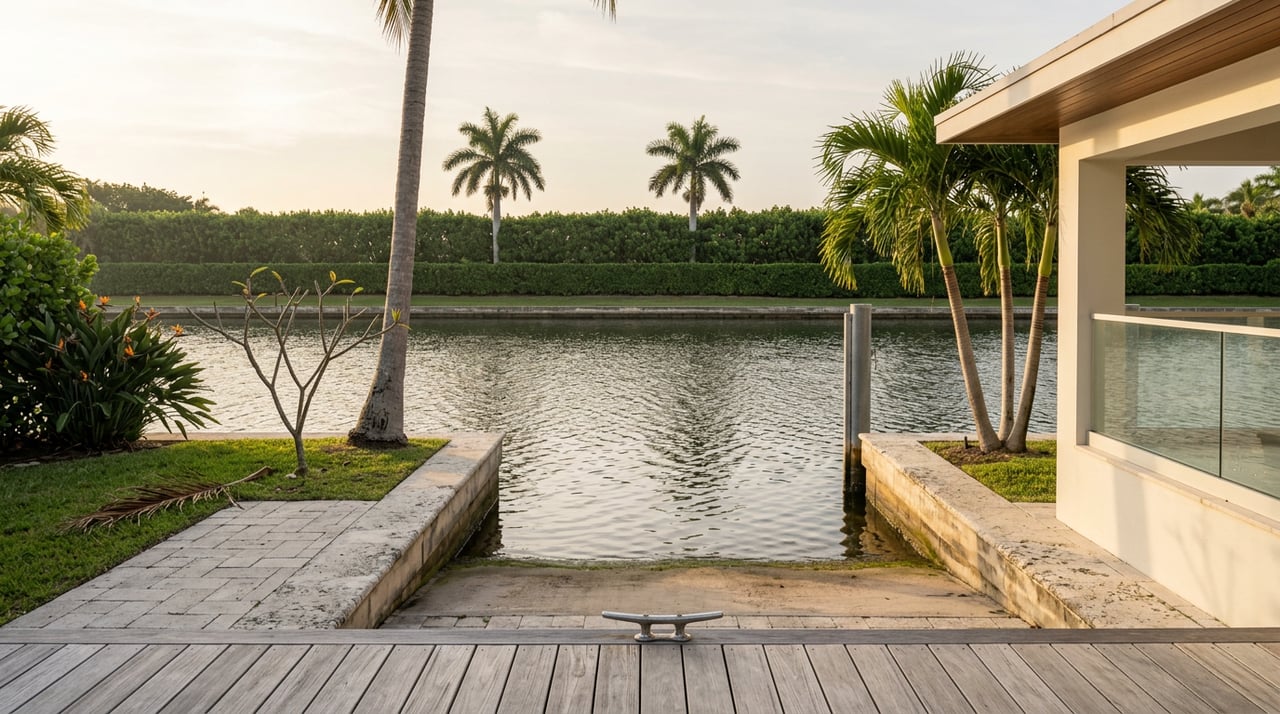
Waterfront access is the reason most buyers choose Gables Estates in the first place, which makes it worth understanding what's involved in touching a dock or seawall once you own one. The City of Coral Gables requires a full permit package for any dock, mooring, or wharf work: a site plan, sectioned drawings, and the exact location of the proposed structure relative to any existing mangroves. Before the city will approve those plans, they need preliminary approval from Miami-Dade County's environmental resources department, and that approval stamp has to be renewed on any revised resubmittal.
Gables Estates layers its own Architectural Review Board standards on top of that. Driveways are capped at 12 feet wide. Decks and docks can't use pressure-treated wood. Boat davits are limited to 8 feet above the top of the seawall. Roof-mounted floodlights aren't permitted. Any existing palm or tree over an inch and a half in caliper needs a protection or relocation plan before work starts. And if a project requires weekend, holiday, or extended-hours construction, the owner needs written consent from neighbors on all sides, across the street, and across the waterway if applicable, delivered to the club's Board of Governors for a formal non-objection determination before the city will issue that permit.
This matters because much of the newest inventory in Gables Estates isn't renovated, it's rebuilt. Older homes on these lots are frequently torn down and replaced with new construction that still has to meet the club's Mediterranean-influenced architectural standards. A buyer planning that kind of project should treat the city-county-club approval chain as part of the acquisition timeline, not something to figure out after the closing.
Building a Timeline That Matches the Actual Process
Put together, these pieces suggest a different way to plan a Gables Estates purchase than a typical luxury transaction. Sponsor relationships take time to build, so that conversation should start well before an offer is written, not after one is accepted. The application fee should be budgeted as its own line item, confirmed directly with the Club Administrator given how much published figures disagree, and understood as non-refundable regardless of whether the underlying deal closes. Annual dues have been reported around $7,500, which is a modest number next to the application fee but still worth including in a full cost picture.
If a renovation or dock project is part of the plan, that approval process runs on its own clock, separate from financing and closing, and should be started as early as possible. And when it comes to evaluating whether a price is fair, a single published median or days-on-market figure is a weak guide in a market this thin. Price per square foot, and a small number of actual recent closings like 555 Arvida Parkway, will tell a buyer more than any portal average.
A Few Questions Worth Asking Early
Does a tenant need club approval to lease a home in Gables Estates? Yes. Under the club's own rules, any occupant, whether owner or tenant, must be a member or approved occupant separately from the property owner's membership status.
Is the club application fee refundable if the deal falls through? Public descriptions consistently describe it as non-refundable, which means it should be treated as a cost tied to the application itself rather than contingent on the purchase closing.
Does the club's review happen on the same timeline as the property closing? No. Membership review and the real estate closing move on separate tracks, so a realistic purchase timeline needs to account for both independently rather than assuming they finish together.
If you're weighing a move into Gables Estates, or trying to figure out how its numbers actually compare to Cocoplum, Journey's End, or other gated enclaves along Old Cutler Road, it helps to work through the specifics with someone who has handled these transactions before. Alive Sherman works with buyers and sellers across Coral Gables and its surrounding waterfront communities through ONE Sotheby's International Realty, and can walk you through what a realistic timeline looks like before you write an offer. Book an appointment to start that conversation.