If you love the idea of stepping out your door and being close to standout dining, public art, and luxury shopping, living near Miami’s Design District can feel like a great fit. At the same time, it helps to know that the Design District is not a typical residential neighborhood, so the best lifestyle match often comes from the areas around it. This guide will help you understand how the district works, what daily life feels like nearby, and which housing options may suit your goals. Let’s dive in.
What the Design District Really Is
The Miami Design District is best understood as a compact luxury and culture destination. According to the district’s own materials, it is centered on world-class dining, shopping, art, events, and more than 200 global luxury brands.
Miami tourism sources describe it as an 18-block area just north of Wynwood with luxury flagships, contemporary galleries, public art, and Michelin-starred restaurants. That matters if you are home shopping nearby, because you are choosing access to a lifestyle hub, not just a place on a map.
It also helps to know that the district core is largely commercial. A Miami-Dade MPO community report noted zero population in the census block group it studied, which helps explain why most people who want to live near the Design District look to surrounding residential pockets instead.
What Daily Life Feels Like Nearby
Living near the Design District usually means enjoying a walkable core while relying on the surrounding street network for the rest of your routine. Inside the district, the setup is geared toward strolling between shops, restaurants, galleries, and art installations.
The district’s art programming adds a big part of the appeal. Its official art materials describe the area as an open-air museum with installations, exhibitions, galleries, and cultural events, so the atmosphere can feel active and visually engaging even on an ordinary day.
For getting around, official visitor information estimates about 10 minutes by car to Miami International Airport and Miami Beach, about 20 minutes to Downtown Miami and Coconut Grove, and about 30 to 40 minutes to Fort Lauderdale. Those drive times help explain why the area appeals to buyers who want to stay connected to multiple parts of Miami.
Parking is also part of the everyday equation. The district has four parking garages and valet at 10 drop-off stations, which shows how much access planning matters here for both residents and visitors.
Transit and Access Basics
The Design District is not cut off from transit. Miami-Dade County’s Better Bus network shows Route 9/9A serving Midtown Miami, the Design District, and Little Haiti.
That said, many buyers still weigh car access carefully when looking nearby. Even if you plan to walk within the district, you will likely want to think through commute patterns, guest parking, and how often you expect to drive across Miami-Dade.
This is one of the biggest practical points to understand before you buy. In a more purely residential area, parking may feel like a secondary detail. Near the Design District, it can be a major quality-of-life factor.
Where People Actually Live Nearby
Because the district itself is largely commercial, nearby residential options do most of the heavy lifting. The good news is that the surrounding areas offer several distinct ways to live close to the action.
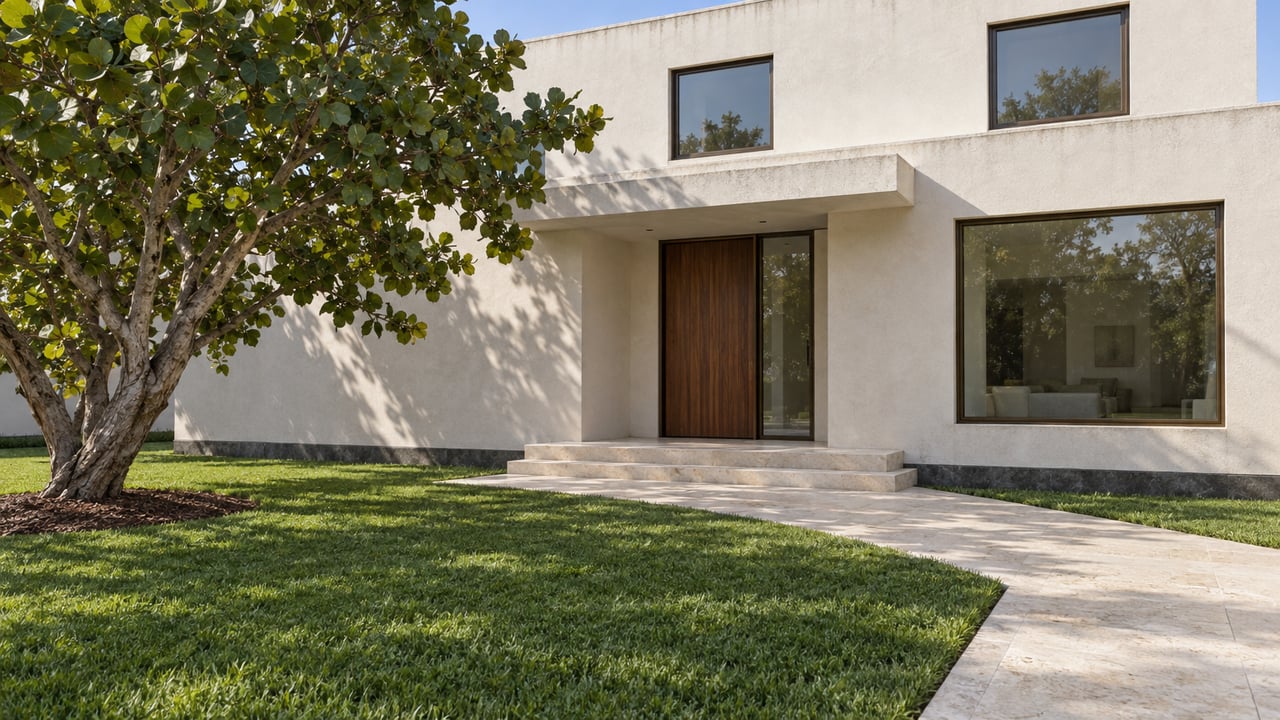
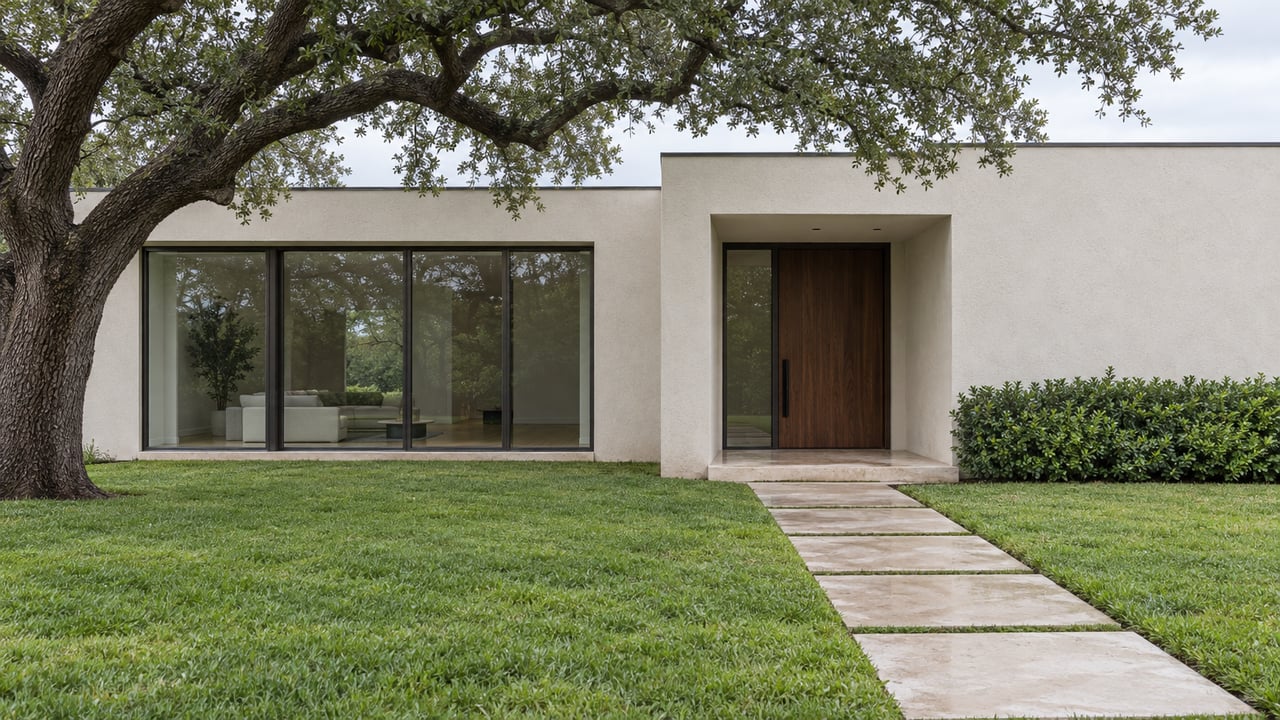
Some buyers want a condo they can lock and leave with minimal upkeep. Others want a townhome with more privacy and storage. Others prefer a detached home in a more traditional residential setting. Near the Design District, you can find all three approaches within a relatively tight area.
Condo Living Near the Design District
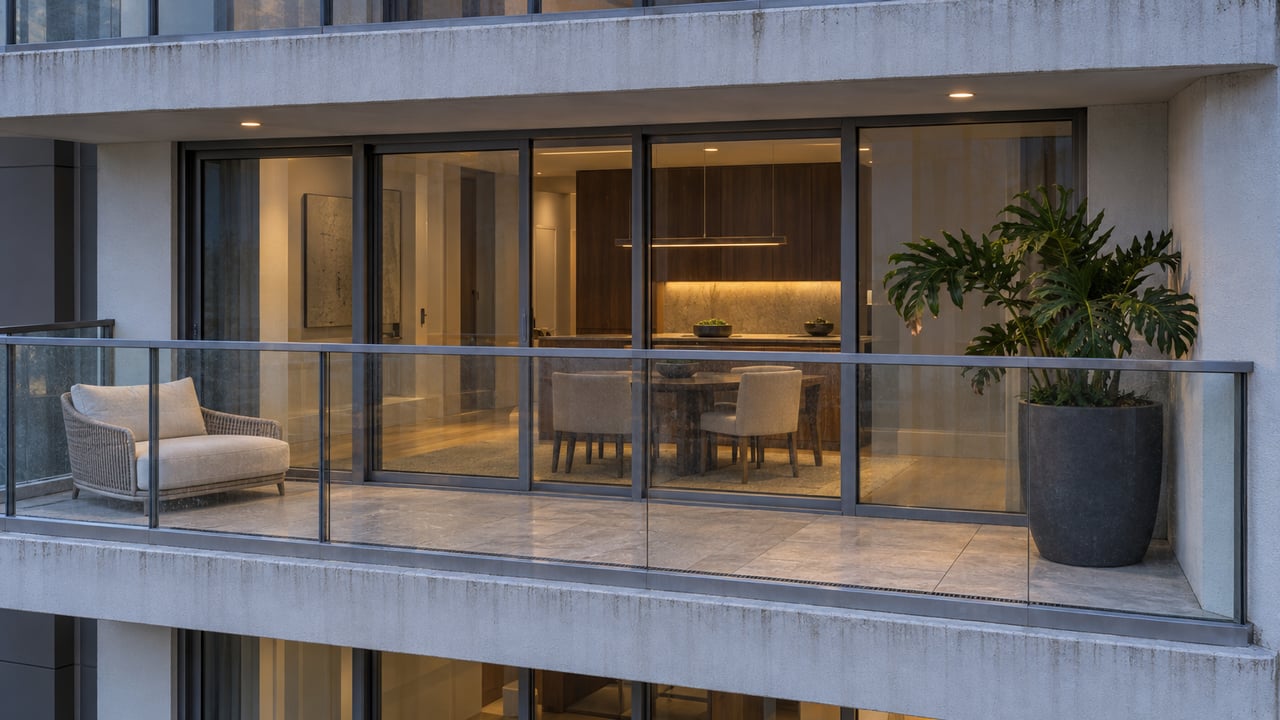
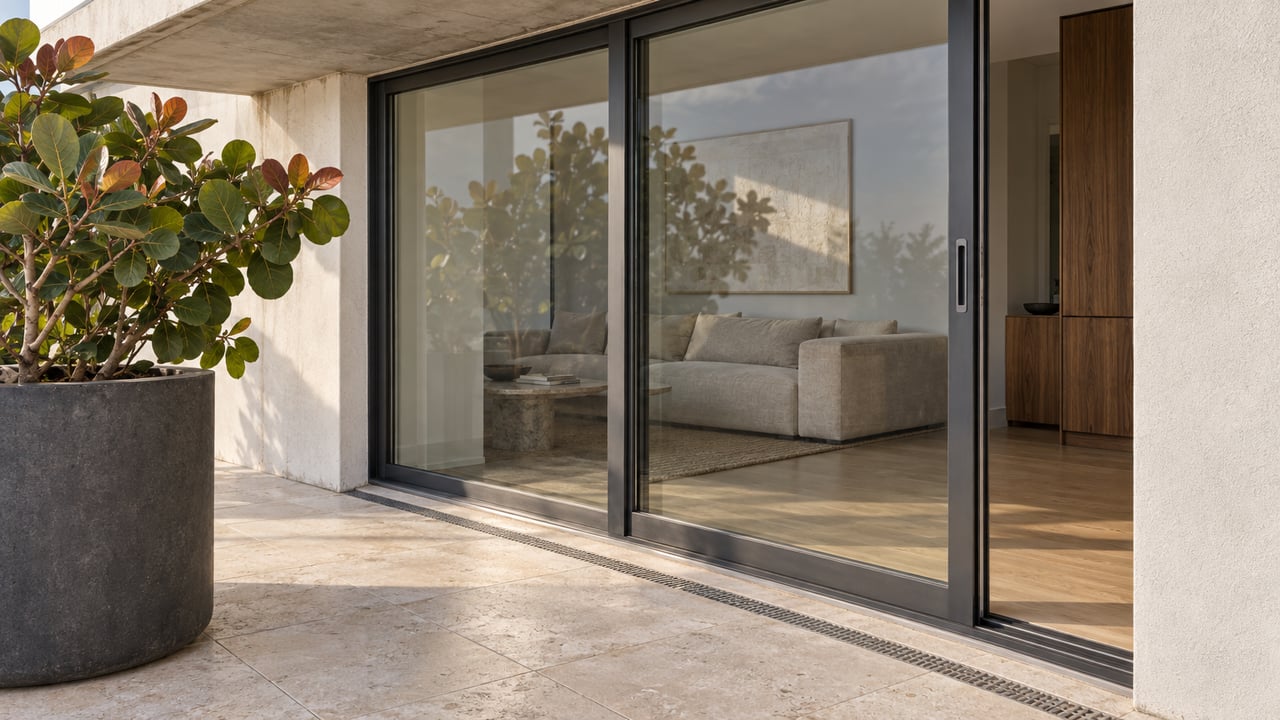
For buyers who value convenience and low-maintenance ownership, condo living is often the first place to look. Buildings near Biscayne Boulevard and the district edge can put you close to dining, shopping, and art while keeping your day-to-day home setup relatively simple.
Quadro, at 3900 Biscayne Blvd., is a 12-story boutique condominium with 198 turnkey residences and art integrated throughout the development. It also launched with short-term-rental flexibility, which made it stand out for buyers looking for a more flexible ownership model.
Baltus House is another condo reference point on the edge of the district. For buyers who want immediate proximity without being in the middle of the retail core, that edge location can be appealing.
In general, condo buyers here are often prioritizing:
- Walkability to dining and retail
- Building services and convenience
- Easier lock-and-leave ownership
- A more urban residential feel
Townhome Options Close By
If you want more of a house-like setup without moving far from the district, townhomes can offer a nice middle ground. You may gain features that are harder to find in a condo, such as private garage space and a little more separation between living areas.
One Bay Residences, at 455 NE 39th St., is a 38-townhome community with rooftop terraces and private in-unit garages. For buyers comparing product types, that can feel like a more residential format while still keeping the Design District close at hand.
Townhome living near the district may suit you if you want:
- More private entry and layout separation
- Dedicated garage space
- Outdoor space like a rooftop terrace
- Proximity to the district without a typical high-rise setup
Edgewater vs Buena Vista East
Two nearby areas often come up in Design District home searches: Edgewater and Buena Vista East. They offer very different living experiences, so the better choice depends on your priorities.
Edgewater Lifestyle
Edgewater sits just north of Downtown and east of Wynwood. Florida International University materials describe it as having mixed-use buildings, higher residential buildings, older apartments and condos, and some one- and two-level homes dating from the 1920s through the 1950s.
It has also continued to attract high-rise development. If you are drawn to a more vertical, bay-adjacent lifestyle with a broader condo inventory, Edgewater is often part of the conversation.
Buena Vista East Feel
Buena Vista East Historic District offers a very different setting. City of Miami historic preservation materials describe it as a residential area with mostly detached single-family houses on tree-lined streets, with most homes built between 1922 and 1941.
The area includes architectural styles such as Mediterranean Revival, Craftsman, and Art Deco. For buyers who want more character and a more traditional residential environment near the Design District, Buena Vista East can feel like the opposite end of the spectrum from a newer condo building.
How to Choose the Right Fit
When you look near the Design District, you are often choosing between different versions of convenience and character. The right answer depends less on what sounds impressive and more on how you actually want to live.
If you want to walk to restaurants and spend less time on home upkeep, a condo near the district may make the most sense. If you want more private space and direct garage access, a townhome could be the better fit.
If you want a more classic residential setting, Buena Vista East may be worth a closer look. If you prefer a more urban residential environment with a wider mix of building types, Edgewater may align better.
Key Questions to Ask Before You Buy
Before you make a move near the Design District, it helps to pressure-test the lifestyle. A beautiful property can still feel wrong if the access, parking, or day-to-day rhythm does not match your needs.
Here are a few smart questions to ask:
- How often will you want to walk into the district?
- Do you need assigned parking for one or more cars?
- How important is guest parking?
- Do you want building amenities, or do you prefer a more private setup?
- Are you looking for a full-time home, a part-time Miami base, or a lower-maintenance second property?
- Do you want a more urban setting or a more residential street feel?
These questions can quickly narrow your options and help you focus on the right micro-location.
Why This Area Appeals to So Many Buyers
The strongest draw of living near the Design District is lifestyle access. You are close to an area known for art, dining, events, and design, while still having multiple residential options nearby depending on how you want your home life to feel.
For some buyers, that means a polished condo with easy access to the district’s energy. For others, it means a townhome or detached home nearby that gives them a little more privacy while keeping the best of the area within reach.
The key is to treat the Design District as a lifestyle anchor rather than a standard neighborhood. Once you do that, your home search becomes much clearer.
If you are considering a move near the Design District, working with an advisor who understands the differences between the district core and its surrounding residential areas can save you time and help you buy with more confidence. To explore the right fit for your lifestyle, connect with Alive Sherman.
FAQs
What is the Miami Design District like for full-time living?
- The Design District itself is largely commercial, so full-time living usually means buying in nearby residential areas while enjoying easy access to the district’s dining, shopping, art, and events.
What types of homes are available near the Miami Design District?
- Nearby options include condos such as Quadro and Baltus House, townhomes such as One Bay Residences, and detached historic homes in areas like Buena Vista East.
Is the Miami Design District walkable?
- Yes. The district is set up well for walking within its core, especially for shopping, dining, and art visits, though parking and driving access still matter for daily life across greater Miami.
How close is the Miami Design District to the airport and other Miami areas?
- Official visitor information estimates about 10 minutes by car to Miami International Airport and Miami Beach, about 20 minutes to Downtown Miami and Coconut Grove, and about 30 to 40 minutes to Fort Lauderdale.
What should buyers compare when choosing a home near the Miami Design District?
- Buyers should compare property type, parking setup, guest access, walkability, maintenance level, and whether they prefer a more urban environment or a more traditional residential setting.